
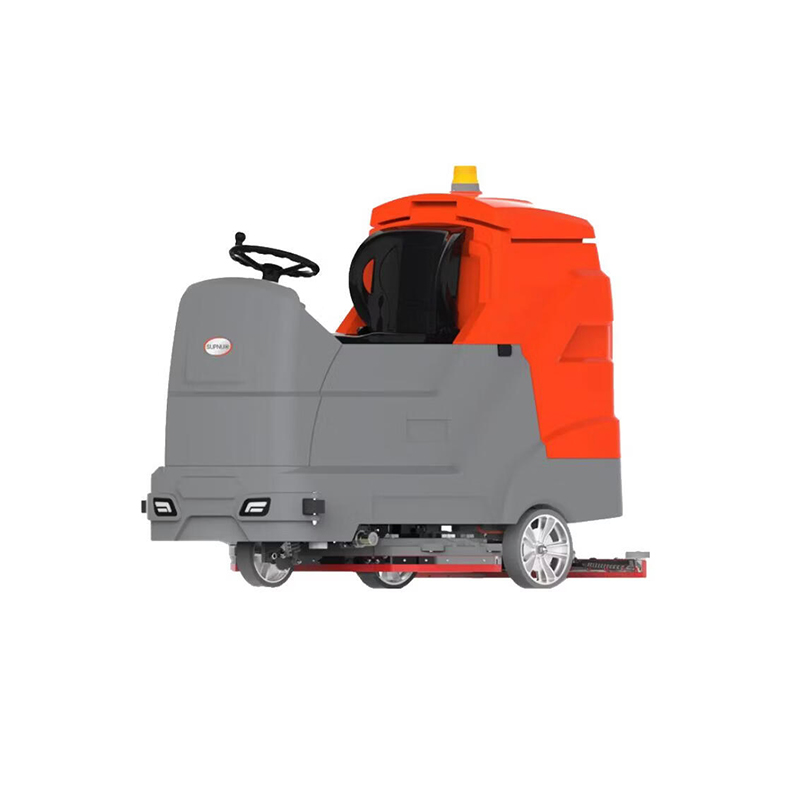
If you run a warehouse, you don’t need a lecture on why floors matter. You need sweepers that start every shift, control dust, and don’t turn small issues into downtime.
This guide is written for consideration-stage evaluation: it gives you a maintenance cadence you can assign to operators, and a troubleshooting map you can use before you call service.
What “smart” means in floor sweeping (without the buzzword)
In practice, “smart cleaning equipment” earns its keep in three places:
Dust control stays stable over time (not just on day one).
Wear parts are predictable (and easy to inspect/replace).
The machine is diagnosable by your team (clear access, clear failure signals).
A sweeper can look powerful and still fail at dust control if filters clog, seals leak, or the airflow path gets restricted. That’s why maintenance isn’t an afterthought—it’s part of the performance spec.
The reliability model: 3 systems that cause most downtime
Nearly every “the sweeper isn’t working” problem traces back to one of these systems:
1) Airflow + filtration (dust control)
If airflow drops, fine dust escapes, pickup suffers, and operators compensate (slower passes, multiple passes, higher wear).
2) Wear parts (brooms, skirts, seals)
Brooms and skirts are consumables. The question isn’t whether they wear—it’s whether your team can inspect them fast and keep spares on hand.
3) Power + drive (battery, charger, traction)
If charging habits are inconsistent or connections corrode, runtime drops and “random” shutdowns become normal.
A warehouse floor sweeper maintenance checklist (daily / weekly / monthly)
Below is a practical cadence you can assign. It aligns with common industry guidance that emphasizes post-use cleaning, filter care, and routine inspection to avoid avoidable failures (see TVH’s maintenance tips for industrial sweepers and Comet Spa’s floor sweeper precautions and maintenance).
Pro Tip: If you can’t realistically do the “weekly” list with your current staffing, choose a machine with faster access to filters, brooms, and skirts. Maintainability is a buying criterion, not a nice-to-have.
Daily (operator-owned, 5–10 minutes after use)
Empty the hopper and check for debris wedged near the dump door.
Quick-clean the filter (shake/cleaning mechanism if equipped; otherwise a light clean per your manual). A loaded filter is a dust-plume generator.
Inspect main and side brooms for string wrap, shrink wrap, and uneven wear.
Check skirts/seals visually for tears or gaps (especially around the broom compartment).
Look for obvious airflow restrictions: blocked ducting, clogged inlet screens.
Charge the battery after use (don’t “top up” randomly; consistent full cycles reduce surprises).
Weekly (maintenance-owned, 20–40 minutes)
Use this as your floor sweeper filter cleaning + wear-part inspection session.
Remove and clean/inspect the dust filter more thoroughly (method depends on media type—follow the manual).
Inspect and adjust broom contact if your model supports it. Too much pressure increases wear; too little leaves trails.
Inspect skirts and seals for hardening, cracking, or gaps.
Check the vacuum path: hoses, clamps, ducting, and any pre-filters.
Check battery terminals and cables for looseness or corrosion; ensure the charger and connectors are clean.
Lubricate only where your manual specifies (over-lubrication attracts dust).
Monthly (maintenance + supervisor, 30–60 minutes)
Trend your downtime symptoms (dust plume? trails? runtime decline?) and match them to parts replaced.
Inspect drive/traction components and tires/casters.
Check electrical connections for heat marks, looseness, or corrosion.
Confirm your spares stock (filters, main broom, side brooms, skirts/seals). If you don’t stock it, you’re accepting downtime.
Industrial floor sweeper troubleshooting: symptom → quick checks
This section is the point of the article. Use it like a pre-service checklist.
Symptom 1: It leaves debris trails behind
Likely causes
Worn main broom or side brooms
Incorrect broom pressure/height
Skirts/seals leaking around the broom compartment
Quick checks
Check for string wrap and debris jammed in the broom area.
Inspect broom bristles for uneven wear.
Check skirts for gaps where debris can escape.
Escalate when
Trails persist after broom replacement/adjustment and skirt inspection.
Symptom 2: Dust plume during sweeping or dumping
This is often a filtration + sealing issue, not “the sweeper is underpowered.”
Likely causes
Loaded/clogged filter reducing airflow
Leaking skirts/seals allowing dust to bypass filtration
Dusty dumping workflow (operator technique + dump height/location)
Quick checks
Do a thorough filter cleaning and verify it’s dry/installed correctly.
Inspect the seal line around filter housing and broom compartment.
Confirm operators aren’t dumping in high airflow areas (fans, open dock doors) when dust is a concern.
Buying/evaluation tie-in When evaluating machines, ask whether filter maintenance is realistic for your weekly routine and which parts are consumables (filters, brushes, skirts). SUNBON includes this as a practical vendor comparison point in its industrial floor sweeper buyer’s guide.
Symptom 3: Poor pickup / weak suction
Likely causes
Filter loaded
Airflow path restriction (ducting/hoses)
Vacuum fan not engaging (electrical or control issue)
Quick checks
Check the filter first (it’s the highest-frequency culprit).
Inspect hoses/ducts for blockage (plastic film and fine dust mats are common).
Verify doors and access panels are fully closed and sealing.
Escalate when
Vacuum fan doesn’t engage, trips repeatedly, or you smell overheating.
Symptom 4: Unusual noise, vibration, or “thumping”
Likely causes
Debris jam in broom area
Bent/worn broom core
Loose hardware or damaged bearings
Quick checks
Stop and remove large debris immediately.
Inspect brooms for wobble or missing segments.
Check fasteners around broom mounts.
⚠️ Warning: Don’t keep running a vibrating sweeper to “finish the area.” You can turn a wear-part issue into a motor/drive repair.
Symptom 5: Runtime is dropping (battery feels “weak”)
Likely causes
Inconsistent charging habits
Corroded terminals / loose connections
Aging battery pack
Quick checks
Confirm operators are charging after each use and not interrupting the cycle.
Clean and tighten terminals.
Check whether runtime declines correlate with heavier dust loads (filters clogged → motors work harder).
If you’re comparing models, ride-on floor sweeper maintenance should include a clear battery care routine (charging behavior, connector inspection) and a serviceable layout for quick checks.
Symptom 6: It won’t start or stops unexpectedly
Likely causes
Low battery or charging fault
Safety interlocks (seat switch, covers, hopper position)
Electrical connection issue
Quick checks
Verify battery state and charger operation.
Confirm all covers/doors are closed and the hopper is seated.
Check for loose cables.
Escalate when
You’ve confirmed interlocks and power, but faults persist.
How to compare sweepers by maintainability (what buyers miss)
If you’re comparing machines, don’t stop at sweeping width and “square feet per hour” claims. Use a maintainability checklist.
Ask these 8 questions before you buy
What are the consumables and expected replacement pattern (filters, brooms, skirts/seals)?
Can one tech access filters and brooms tool-light in under 15 minutes?
What’s the dust-control design approach (sealed path + filtration + dumping workflow)?
What’s the service plan for your geography (lead times, warranty scope, training)?
Do you get an operator checklist and maintenance schedule in the manual?
Can you stock the top wear parts locally without special ordering every time?
What happens when the machine throws an error—does it show a code, log, or clear diagnostic?
What’s the realistic weekly maintenance time for your crew?
SUNBON’s electric sweepers buyer’s guide for manufacturing facilities is useful here because it frames evaluation around real facility constraints (uptime, serviceability), not brochure specs.
Example: Where brand support fits (without overselling)
When you evaluate vendors, documentation and remote support matter as much as hardware—especially when you run lean.
For example, SUNBON notes that the SBN-2450CX includes an operation manual and offers remote technical support on its product page for the SBN-2450CX ride-on floor sweeper. Use that as a template question for any supplier: What’s the support channel, what’s covered, and how fast can you get back online?
Next steps
If you want, share:
debris type (fine dust vs. heavier chips/packaging)
aisle widths and tight-turn zones
operating hours per day and dumping locations
…and we’ll suggest a maintenance cadence and consumables list that matches your staffing—and point you to options in the SUNBON floor cleaning equipment catalog.





